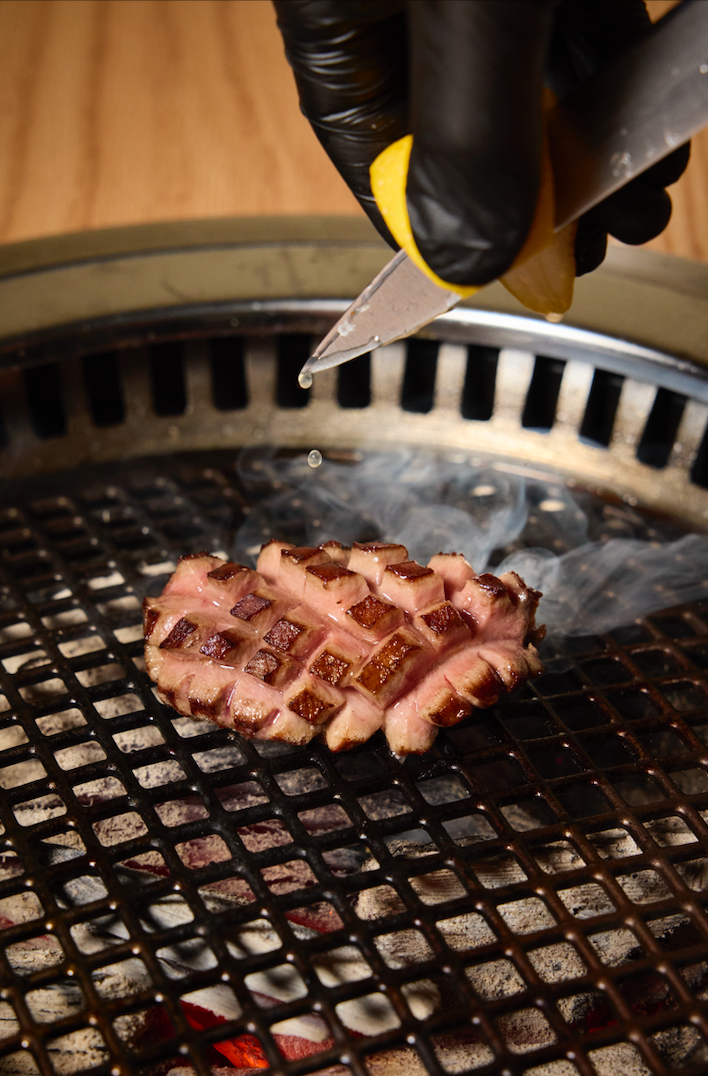
A complete Korean BBQ in Seoul plan includes the finish as well as the grilled meat. Seolya Galbi Cheongdam publishes separate menu entries; here the focus is reading a food estimate without invented sets for the last evening of a trip.
Reading a food estimate without invented sets
The current menu prices the main cuts and finishing dishes separately. An estimate made by adding selected entries is useful, but it should keep the quantities visible. It does not become a restaurant-issued course simply because the food is planned for two, four or six guests.
Keep food, drinks, corkage and any room charge on separate lines. The diner count alone cannot determine the final bill or the amount each guest wants. A clear initial order leaves optional additions visible instead of hiding them in a broad package price.
Last-night dinner
For a last-night dinner, keep any onward journey out of the restaurant’s meal-time estimate. A preparation note for one cut cannot establish the duration of an entire evening. The party can make a compact first order while discussing what is realistic before its required departure.
Tell staff about the fixed departure and keep optional additions separate. Choosing the food deliberately is more useful than creating a guaranteed quick-dinner claim from the number of dishes.
Keep this detail with the plan
| Part of the plan | What to keep visible |
|---|---|
| Menu or restaurant detail | Food examples are itemized calculations, not restaurant-issued courses. |
| Travel situation | last-night dinner |
| Where to verify it | Official menu page |